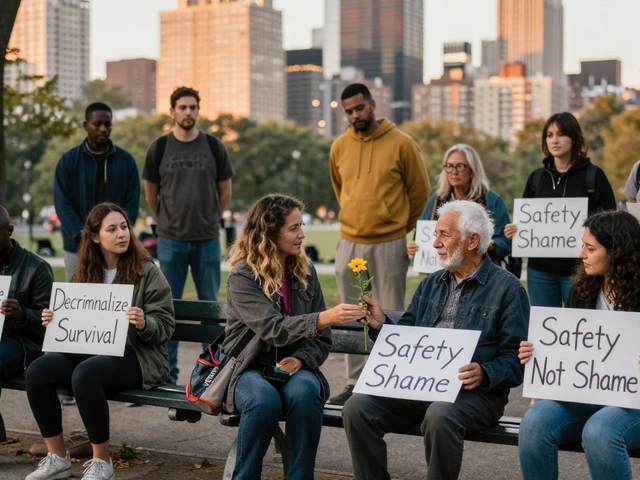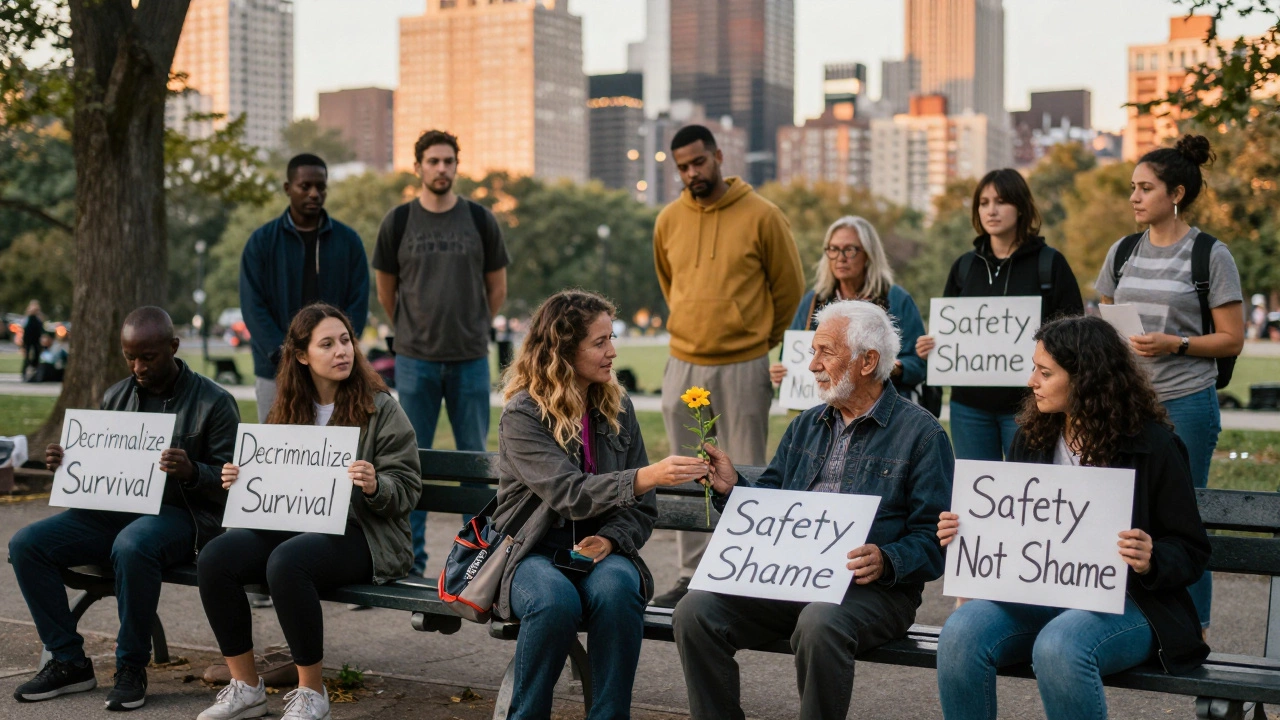
On February 10, data from multiple public opinion surveys revealed something surprising: a growing number of people in the U.S. and abroad now view sex work not as a moral failing, but as a form of labor deserving of basic rights and legal protections. This shift didn’t happen overnight. It’s been building for years, fueled by real stories, policy failures, and the quiet activism of people who’ve lived through the system. The numbers don’t lie - over 58% of respondents in a 2024 Pew Research poll said they support decriminalizing consensual adult sex work, up from 39% in 2018. That’s a 49% increase in just six years. And it’s not just urban liberals. Rural voters, conservative women, and even some law enforcement officers are starting to ask: Why are we arresting people for surviving?
Meanwhile, in cities where enforcement remains harsh, the underground economy thrives. Some people searching for services online use terms like dubai hookup - not because they’re looking for something illegal, but because they’re isolated, confused, or simply don’t know where else to turn. These searches aren’t about glamour or fantasy. They’re about human connection in a world that often leaves people feeling invisible. The fact that these terms even exist tells us something deeper: the demand for intimacy and care is real, and the legal system isn’t meeting it.
Why the Backlash Against Sex Work Is Falling Apart
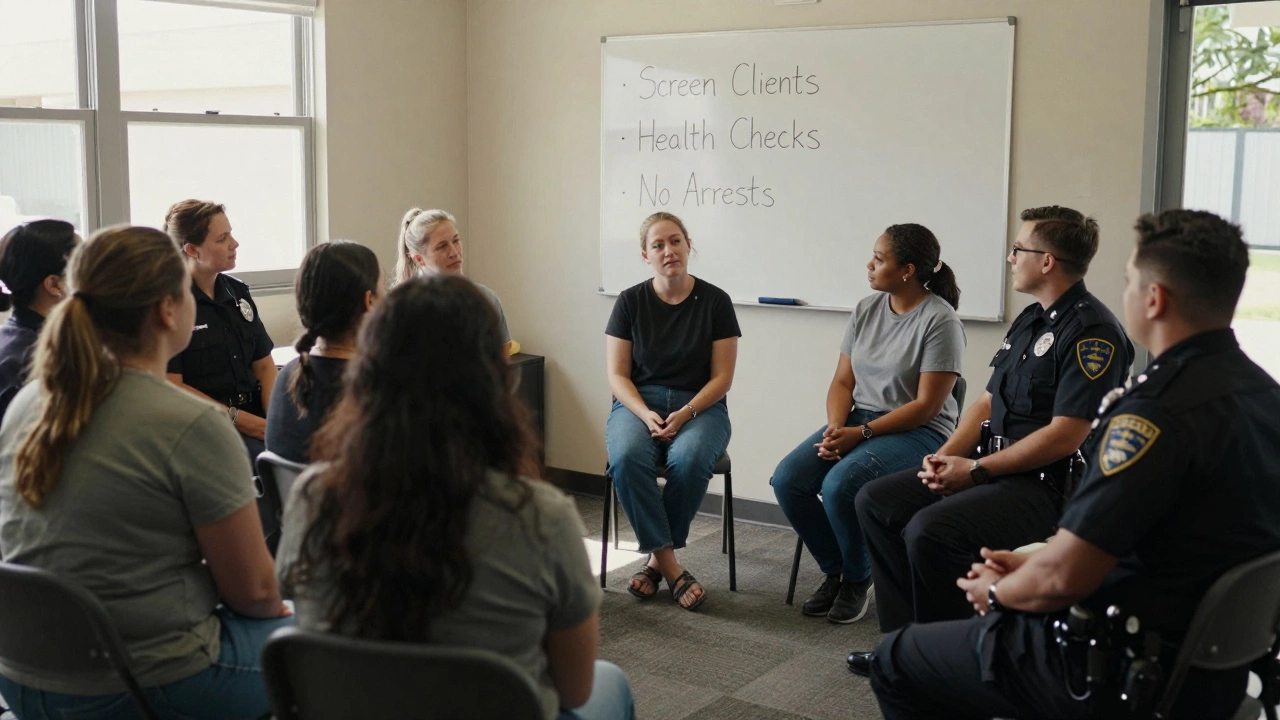
The old narrative - that all sex work is exploitation - has started to crack. It’s not that people suddenly changed their minds. It’s that more voices from inside the industry are being heard. Former sex workers are speaking out in podcasts, documentaries, and even congressional hearings. They’re not asking for charity. They’re asking for safety. For the right to screen clients without fear of arrest. For access to healthcare, banking, and housing without being labeled criminals.
In New Zealand, where sex work has been fully decriminalized since 2003, rates of violence against sex workers dropped by 60% in the first five years. Police reports show clients are more likely to report abuse when the worker isn’t afraid of being jailed. In Nevada, where regulated brothels exist in certain counties, workers have access to regular health checks, legal contracts, and union representation. These aren’t utopias. They’re practical solutions that work.
But in most of the U.S., the system still treats sex workers like criminals. A 2023 study by the Urban Justice Center found that 72% of sex workers arrested in New York City had no prior criminal record. Most were arrested for solicitation - often after being targeted by undercover officers. Meanwhile, the pimps and traffickers who exploit them? Rarely prosecuted. The law isn’t protecting people. It’s punishing the most vulnerable.
The Sports Thing You Probably Forgot About
On the same day those survey results came out, the NBA announced a new partnership with a mental health nonprofit focused on athletes’ trauma recovery. It wasn’t headline news. Most people didn’t notice. But it mattered. Because for years, athletes have quietly spoken about the emotional toll of fame, isolation, and performance pressure. Some admitted to using paid companionship to cope with loneliness. Not for sex. Not for pleasure. Just to feel seen.
One former NFL player, speaking anonymously on a podcast last year, said: "I had a call girl service in dubai after my divorce. I didn’t want sex. I wanted someone to sit with me while I ate dinner. To not feel like a ghost in my own life." He didn’t mention the word "prostitute." He didn’t need to. The truth was simpler: human connection is a basic need. And when society cuts off the safe ways to meet it, people find other ways - even if they’re risky, hidden, or stigmatized.
Sports teams are finally starting to understand this. Mental health programs now include peer support, therapy access, and even referrals to vetted companionship services in some cases. It’s not about sex. It’s about dignity. And that’s the same conversation we’re having about sex work.
The Real Problem Isn’t Sex - It’s Shame
What’s really changing isn’t people’s attitudes toward sex. It’s their attitudes toward shame. For generations, society told people that wanting companionship, intimacy, or physical touch outside of marriage was wrong. That if you needed help, you should suffer in silence. That if you sold your time or your body, you were broken.
But now, more people are asking: Who decided that? Why do we punish people for surviving? Why do we let landlords evict sex workers while ignoring the men who pay them? Why do we let banks freeze accounts when someone earns income from sex work, but turn a blind eye to the clients?
There’s a growing movement to treat sex work like any other job. Not to glorify it. Not to encourage it. But to stop pretending it doesn’t exist. Because it does. And people are doing it - not because they’re desperate, but because they’ve chosen it. And they deserve to do it safely.
Some still say: "What about trafficking?" Of course, trafficking is horrific. But conflating trafficking with consensual sex work makes it harder to help real victims. Police in cities like San Francisco and Seattle now use separate protocols: one for trafficking investigations, another for decriminalized adult work. That’s not a loophole. It’s common sense.

What Comes Next?
The next step isn’t legalization. It’s decriminalization. Legalization means the government gets to control who can work, where, and how. Decriminalization means removing criminal penalties entirely - letting people operate without fear, and letting them report abuse without being arrested.
Several states are testing this model. California’s AB 349, introduced in early 2025, would remove solicitation charges for adult sex workers. Oregon is considering a similar bill. Even conservative-leaning states like Texas and Georgia are seeing grassroots campaigns pushing for harm reduction policies.
And the public is listening. Polls show that 64% of Americans under 30 support decriminalization. That’s not a trend. That’s a cultural shift.
Meanwhile, search terms like "prostitute near me" keep popping up - not because people are looking for crime, but because they’re looking for help. They’re tired of being told they have no options. They’re tired of being made to feel dirty for wanting connection. And they’re not asking for much: just to be treated like humans.
Where This Leaves Us
On February 10, the data came in. People are ready for change. Not because they’ve suddenly become more liberal. Not because they’ve forgotten morality. But because they’ve seen too many lives destroyed by a system that doesn’t protect anyone - not the workers, not the clients, not even the communities.
The sports world is learning that mental health matters. The legal system is slowly realizing that punishment doesn’t fix trauma. And everyday people are starting to ask: Why are we still criminalizing survival?
The answer might be simpler than we think. We’re not fighting about sex. We’re fighting about who deserves to be seen.